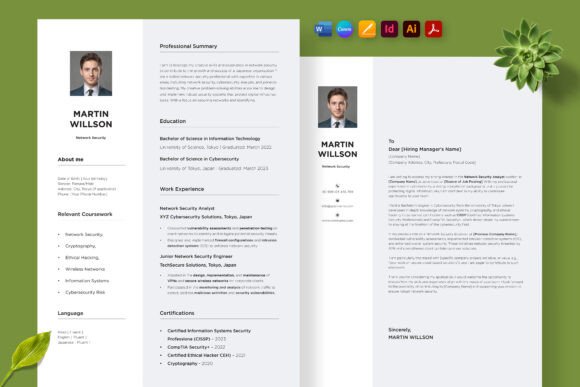
Mastering the Japanese Job Market Resume
In the competitive landscape of the Japanese job market, your resume is more than a list of qualifications; it is your first handshake, your initial bow, and a critical component of your professional brand identity. The visual presentation of your application materials speaks volumes before a single word is read. This is where the right design assets become indispensable. Our Japanese Job Market Resume Templates, developed by Nur Designer, are crafted to bridge the gap between cultural expectation and personal expression, ensuring your application is both respectful of tradition and memorable in its clarity.
The Anatomy of a Culturally Attuned Template
What sets these templates apart is their deep understanding of Japanese design principles and workplace culture. The visual character is one of meticulous order, clean lines, and purposeful white space. This isn't about flashy graphics; it's about creating a harmonious visual hierarchy that guides the reader's eye effortlessly from your professional summary to your core competencies and work history. The style is inherently professional, leveraging a balanced combination of a clean sans serif font for body text to maximize readability, often paired with a more refined serif font for headings to convey authority and tradition. This thoughtful font pairing is a cornerstone of the template's appeal, ensuring your document feels both modern and impeccably polished.
The personality of these templates is one of quiet confidence. They avoid the ornate flourishes of a script font or the casual feel of a handwritten font, which can be misinterpreted in formal Japanese business contexts. Instead, they embrace modern typography—clean, functional, and elegant. This approach directly influences readability and visual hierarchy, two critical factors for hiring managers who may review hundreds of applications. A well-structured resume using these templates makes your key information instantly accessible, projecting an image of professionalism and attention to detail from the outset.
Strategic Applications Beyond the Resume
While designed for the specific challenge of the Japanese job market, the principles embedded in these premium font templates and their accompanying assets have broad utility. The core design philosophy—clarity, structure, and cultural awareness—is a valuable asset in numerous professional scenarios.
- Personal Branding & Freelance Pitches: Use the templates as a foundation for creating cohesive proposal documents, service brochures, or portfolio showcases for the Japanese market. The consistent use of the included typeface and icon set strengthens your brand identity.
- Editorial and Publishing Projects: For bloggers, content creators, or small publishers targeting a Japanese audience, the clean layouts serve as excellent inspiration for editorial design. The typographic choices ensure long-form text remains engaging and easy to read.
- Digital and Print Collateral: The provided AI, EPS, and PDF formats make it simple to adapt the design language for web design elements, social media graphics, or even basic packaging design for products aimed at Japanese consumers. The included icon set is perfect for adding subtle, culturally relevant visual cues.
A Practical Guide to Selection and Customization
Choosing and using a creative font template effectively requires more than just downloading a file. Here is a practical framework for integrating these assets into your workflow.
- Evaluate Project Fit: Before customizing, ask: Does this project require a formal, structured tone? If you're applying for a position in finance, engineering, or traditional corporate sectors, this template's style is ideal. For more creative fields like graphic design or advertising, you might use the template as a structural base but introduce a slightly more distinctive display font for your name or section headers, ensuring it remains tasteful.
- Leverage the Comprehensive Kit: Don't overlook the supporting materials. The Font Guide is crucial for maintaining typographic integrity if you need to install fonts. The Resume Writing Tips provide invaluable context on content structure for the Japanese market. Use the References template to maintain visual consistency across all application documents.
- Customize with Intention: The templates are built for effortless customization. Swap the placeholder text with your information, but be mindful of visual balance. Use the color modification feature to align with your personal brand, but choose palettes that are professional and subdued. The goal is to enhance, not distract.
- Test for Readability and Hierarchy: Print a test copy. Does the information flow logically? Is there enough contrast between headings and body text? The templates are designed with this in mind, but your specific content length can affect the overall feel. Adjust spacing if necessary to maintain that clean, breathable layout.
In the end, a powerful resume is a strategic tool. By starting with a foundation that respects the nuances of the Japanese job market, you free yourself to focus on what truly matters: articulating your unique value. These templates, with their emphasis on clarity, cultural alignment, and professional aesthetics, provide that essential foundation. They are more than just design assets; they are a framework for presenting your professional narrative with the precision and respect it deserves.